
Women and older adults tend to feel the effects of alcohol more quickly than men and younger adults due to differences in body composition and how alcohol is metabolized. Understanding these individual factors is the first step in recognizing your personal limits. As we mentioned earlier, many factors contribute to how many drinks it takes to reach intoxication. To be drunk means when you drink more alcohol than just enough to feel tipsy, and it’s when the alcohol really starts to affect your body and mind in more of a significant way.

Individual differences such as genetics, mental health, and tolerance levels can significantly influence how alcohol affects a person. However, the social context can also contribute to risky behaviors, such as binge drinking or drinking and driving. Understanding the influence of social settings on drinking behavior is crucial for promoting healthier drinking habits.
Medical Disclaimer
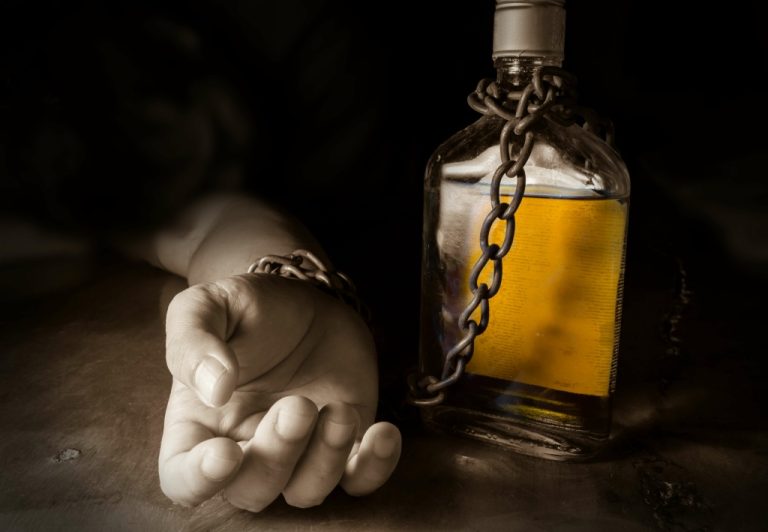
If alcohol is consumed in large enough quantities, or for long periods of time, those feel-good responses trigger feelings of pleasure and reward. This can increase the desire for alcohol, leading to addiction. The reward center in the brain is also activated when users drink to minimize negative withdrawal effects. The brain is trained to depend on alcohol for the production of those feel-good endorphins.
Find Local Treatment Centers

At the extreme end of intoxication, you might experience a blackout, which occurs when alcohol prevents the brain from forming new memories. A person in a blackout may still appear to be functioning—talking, walking, or even interacting with others—but they won’t remember any of it the next day. You may engage in reckless behavior or put yourself and others at risk without realizing it. For one thing, sudden withdrawal from alcohol can cause severe symptoms, including anxiety, tremors, and hallucinations.
The Four Levels of Being Drunk
Reframe’s Mindful Drinking resources can provide further guidance on understanding your relationship with alcohol and developing healthier drinking habits. Being drunk is a condition that occurs when you consume excessive alcohol, severely impairing your cognitive abilities and physical coordination. When intoxicated, a person’s inhibitions decrease significantly, often leading to behaviors they wouldn’t engage in while sober. Increasing Halfway house blood alcohol concentration results in dangerous consequences, including accidents, injuries, and potentially fatal alcohol poisoning. Drunk driving presents a serious hazard to both the impaired driver and innocent bystanders.
It’s about what does being tipsy feel like recognizing the early signs of intoxication and respecting your limits. This involves understanding how alcohol affects you personally, tracking your drinks, and honestly assessing your state. One of the earliest signs of alcohol consumption is changes in your skin.
- In this blog, we’ll cover what it means to be tipsy vs drunk, how each one feels, and if you’re going to drink alcohol, how to do so in a safe way.
- After consuming alcohol, it typically takes 15 to 45 minutes to feel its full effects.
- Recognizing the signs and symptoms of each level can help prevent dangerous situations and allow for timely intervention when necessary.
- One of the earliest signs of alcohol consumption is changes in your skin.
- According to the National Highway Traffic Safety Administration (NHTSA), drunk driving caused 12,429 deaths in 2023.
If you’re planning on drinking, it’s essential to understand how long alcohol will stay in your system to avoid risky behaviors like driving under the influence. When someone experiences alcohol poisoning, their body becomes overwhelmed by the amount of alcohol in their system. This condition can lead to severe health complications, including coma or death if left untreated. It’s critical to recognize the symptoms early and take immediate action. In addition to the obvious signs of drunkenness, like slurred speech and staggering, there are a few other telltale symptoms that can indicate someone is intoxicated.
Just one extra drink can start to change how you’re feeling, affecting your interactions with others and decision-making abilities. Feeling “buzzed” is often minimized, seen as a fun, lighthearted state. But the truth is, feeling buzzed is being drunk, and carries the same risks. Alcohol affects both physical coordination and emotional regulation, making it harder to make sound decisions and react appropriately.
This cluster of withdrawal-like symptoms creates a strong aversion, which for many, results in a desire to continue drinking to alleviate the discomfort. The cumulative damage sustained to the liver and kidneys each time excessive amounts are consumed makes it increasingly difficult for the body to expel https://www.crbclean.com/2023/10/06/oxford-house-drug-test-policy-sobriety-2/ toxins efficiently. For individuals with Alcoholism, their actual brain is addicted to the drug. Plus the more someone drinks, the more they need to feel the desired effects like euphoria and pleasure, increasing their chances of alcohol poisoning or death. Like drinking, Alcohol Use Disorder is common, and NSDUH estimates that 14.5 million people over the age of 12 have had the disorder. When you drink alcohol, ethanol makes its way from the stomach to the small intestine, where it is absorbed into the blood.
BAC .20 to .25
Alcohol might seem like a friendly social lubricant, but it’s a sneaky one, quietly infiltrating our brain and bodily systems. Its first stop is the central nervous system — the brain — command central for all our actions, thoughts, and feelings. Delaying emergency care increases the risk of serious health issues, including death. Some people may be at risk of alcohol overdose after just a few drinks, especially if they are young, small, or do not often drink. The Reframe app equips you with the knowledge and skills you need to not only survive drinking less, but to thrive while you navigate the journey. Our daily research-backed readings teach you the neuroscience of alcohol, and our in-app Toolkit provides the resources and activities you need to navigate each challenge.
Implementing these practices creates a protective barrier between occasional intoxication and the development of chronic alcohol use disorder. These stages of drunkenness vary considerably between individuals. BAC measurements provide estimates, but many factors affect how alcohol impacts each person. Responsible drinking and knowing personal limits are essential for preventing harm to oneself and others.